

Strengthening Working Capital: Practical Financial Discipline for Sustainable Growth
Profitability looks good on paper. Liquidity keeps the business alive. Here’s a practical framework to strengthen working capital and improve cash flow discipline.
Stay updated with our latest insights

Profitability looks good on paper. Liquidity keeps the business alive. Here’s a practical framework to strengthen working capital and improve cash flow discipline.

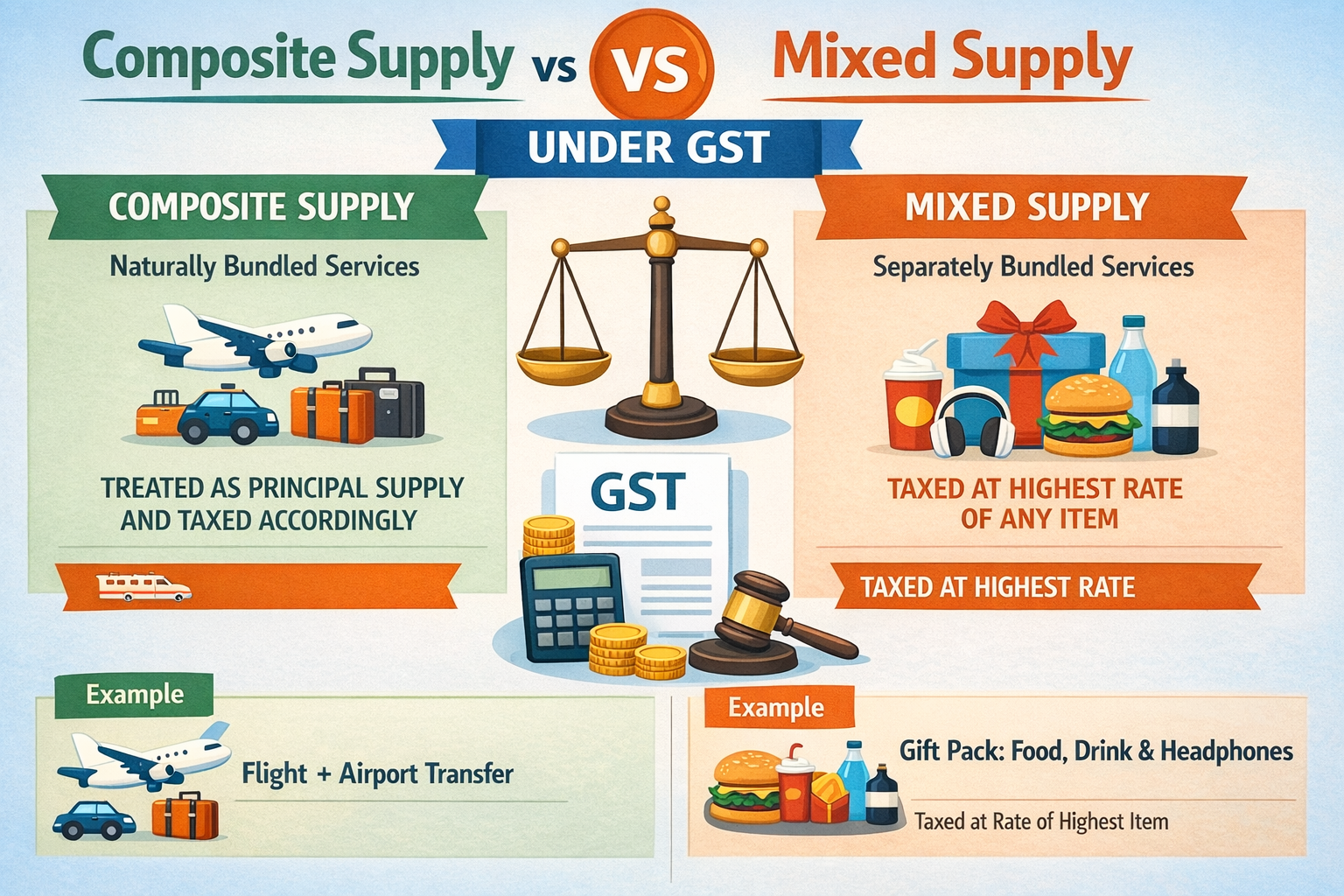
Careful analysis, consistent business practices, and proper documentation are essential to avoid disputes and ensure compliance. Under GST, correct classification is not merely technical—it is a critical element of effective tax risk management.

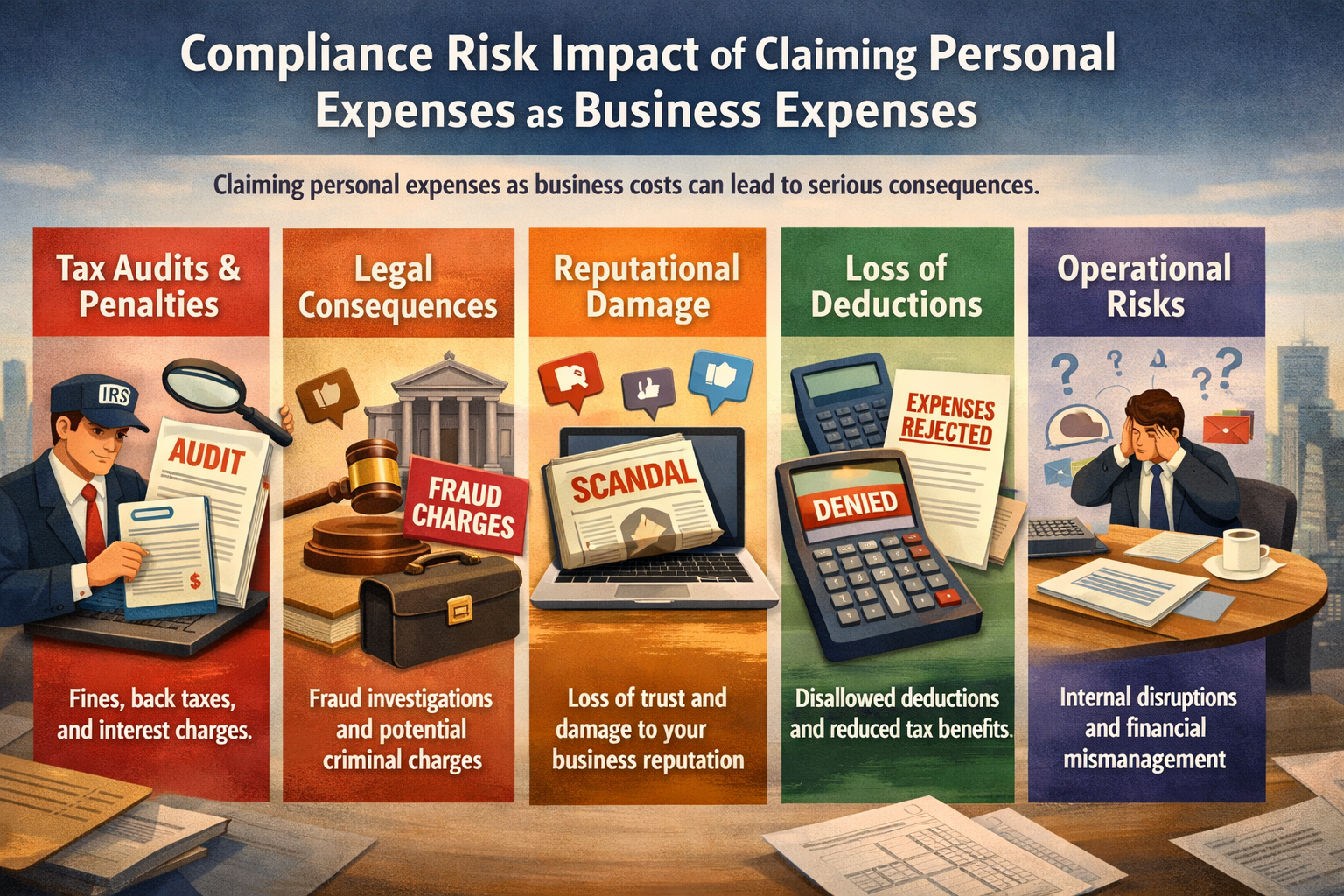
Claiming personal expenses as business expenses is a silent but serious compliance risk that gradually erodes tax safety, financial integrity, and professional credibility. In an era of technology-driven assessments and data visibility, informal practices no longer remain invisible. True tax efficiency lies not in aggressive or casual claims, but in compliant, transparent, and sustainable financial practices, supported by disciplined documentation and professional guidance.

In a technology-driven tax environment, transparency, documentation, and disciplined financial practices are essential. True tax efficiency lies not in aggressive claims, but in compliant, sustainable, and well-governed financial management.

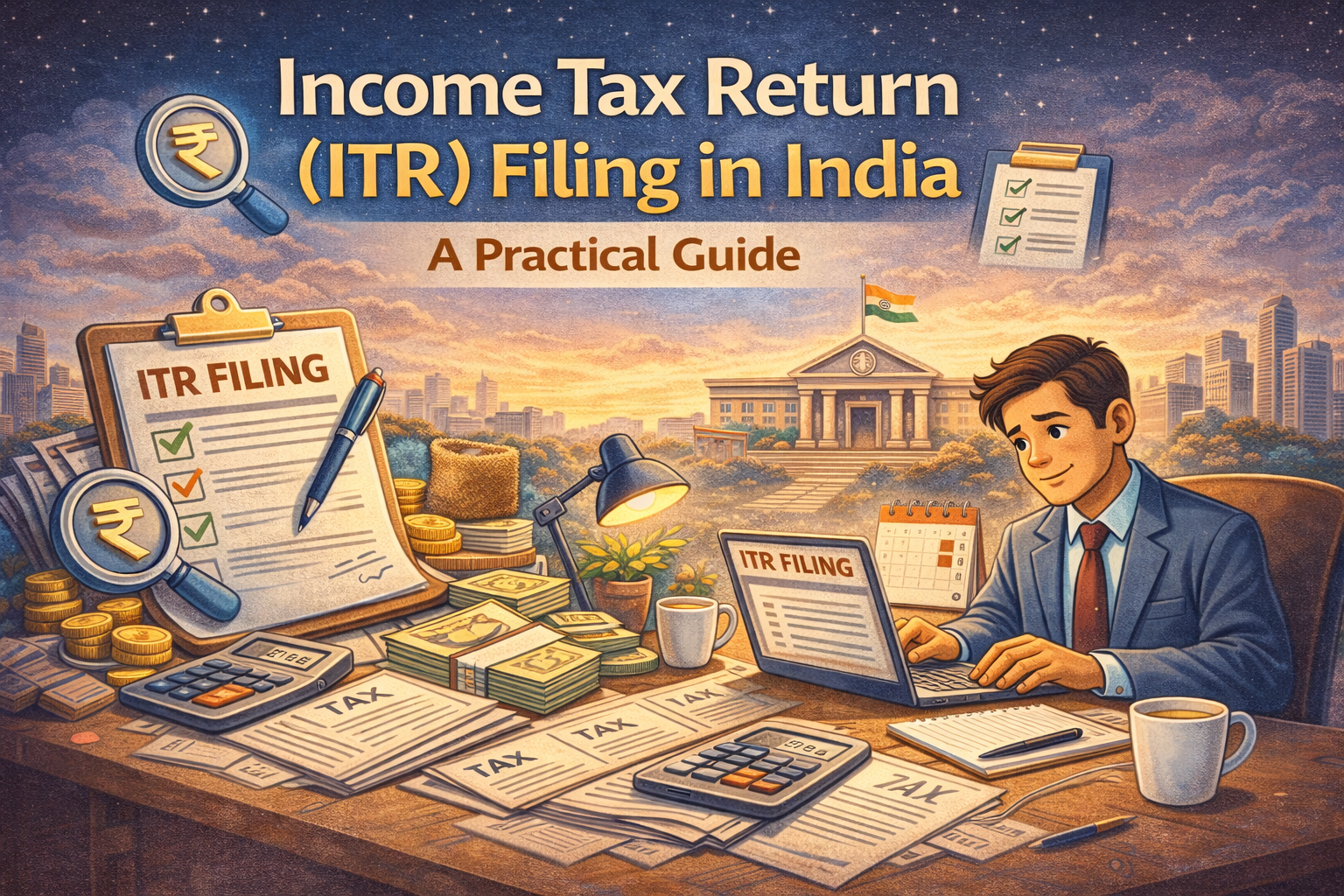
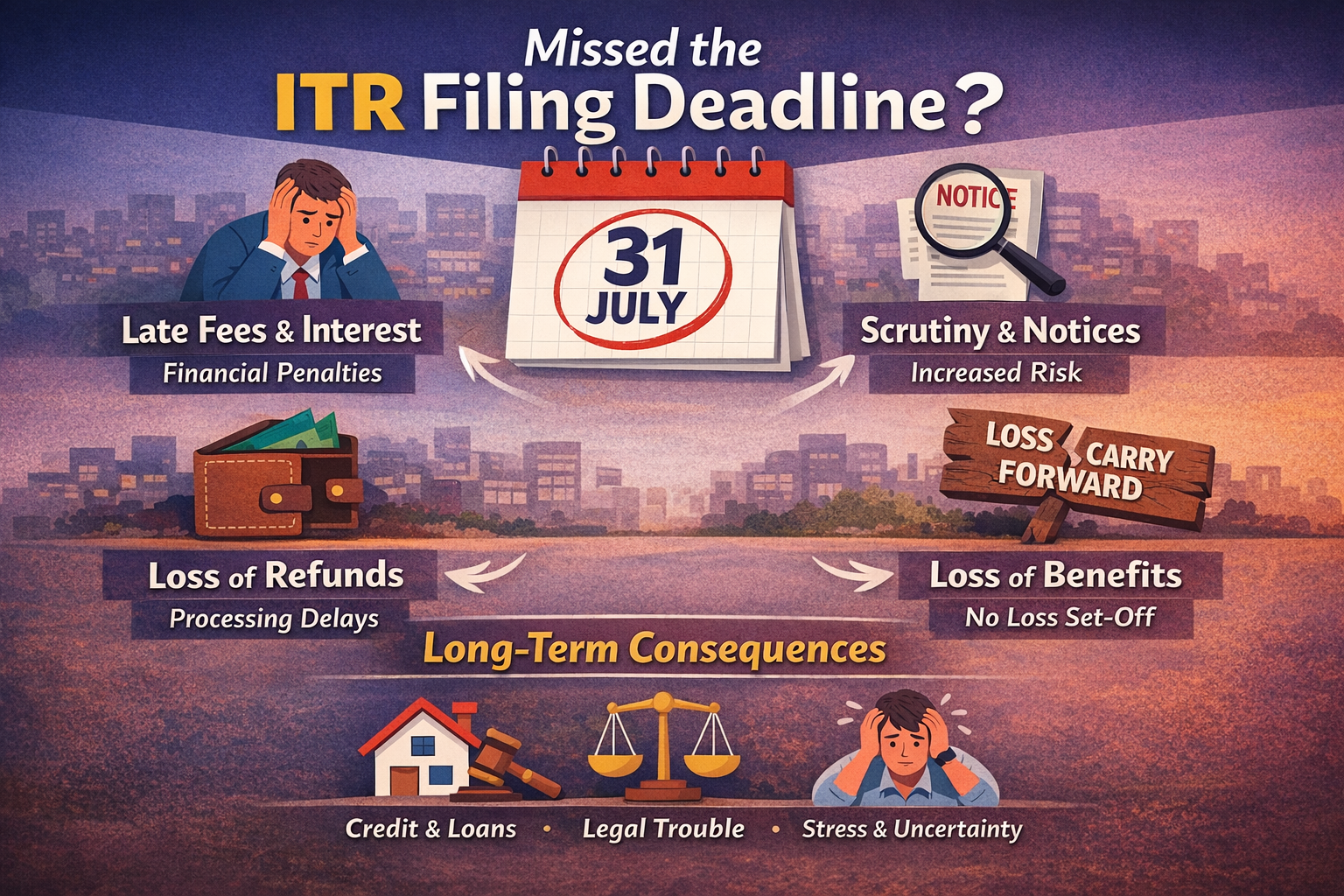
ITR filing today is a reflection of compliance discipline rather than a mere tax calculation. Accurate and timely filing safeguards taxpayers from penalties, scrutiny, and avoidable stress. A structured and informed approach to ITR filing is essential for individuals, businesses, and professionals operating in today’s compliance-focused environment.

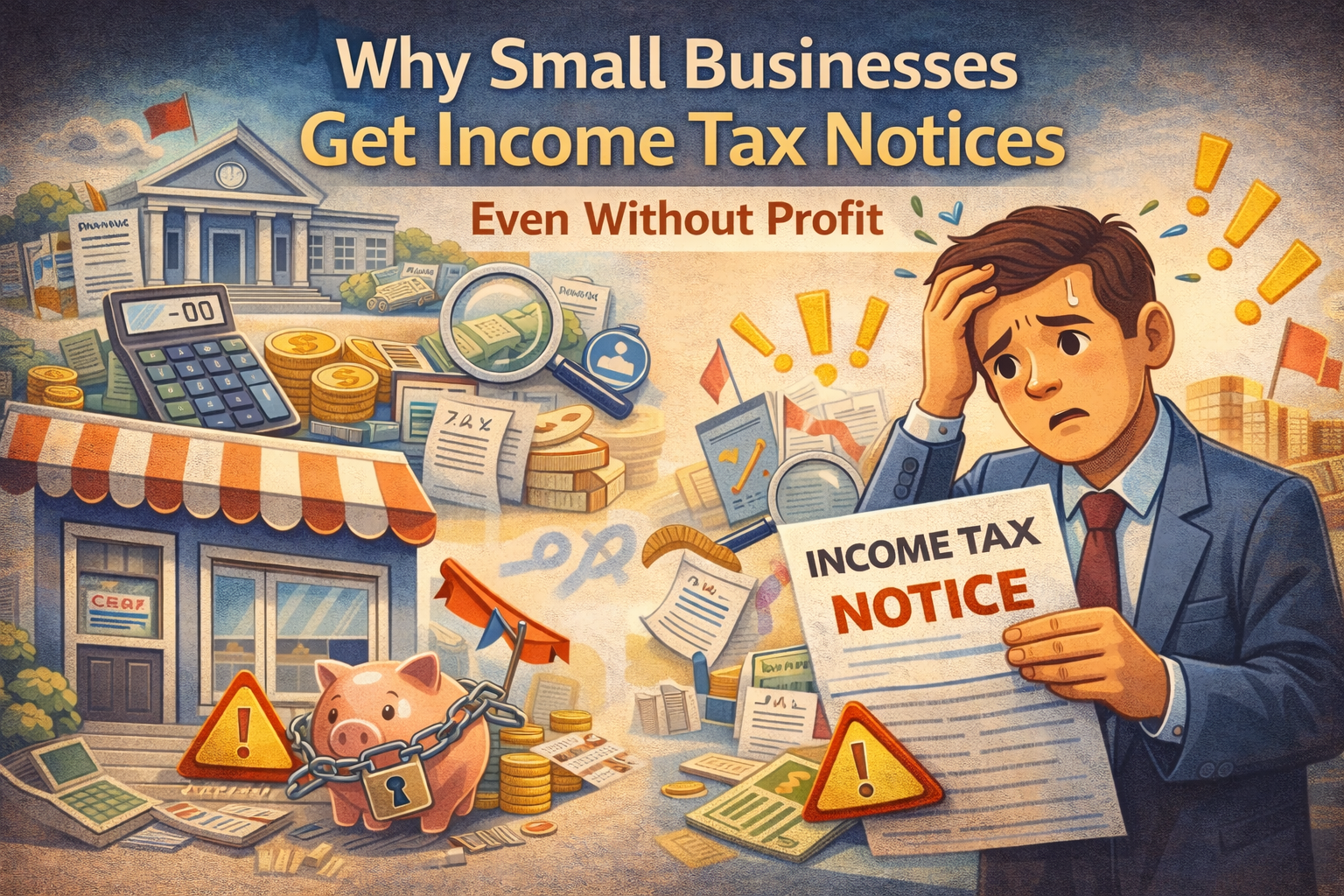
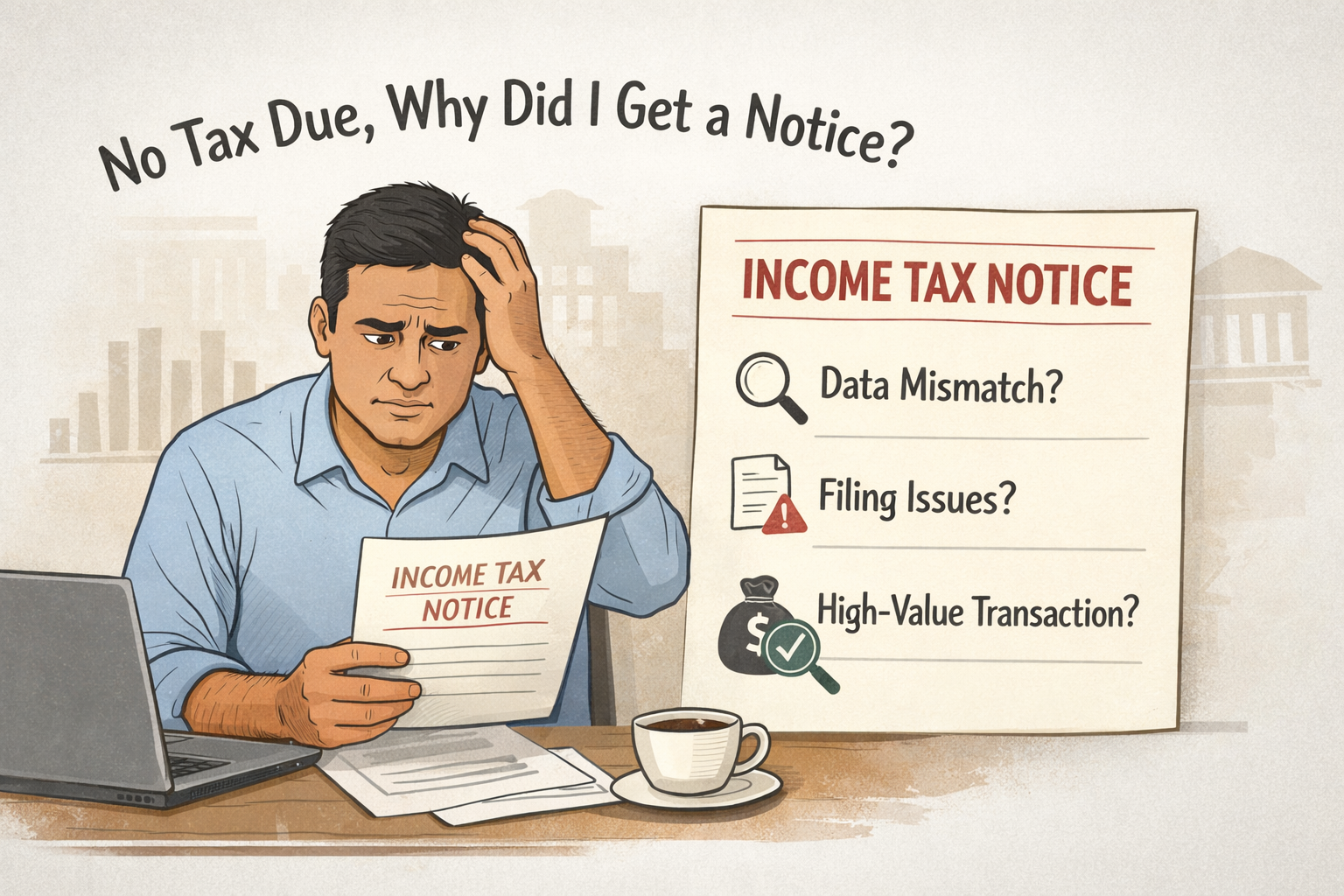
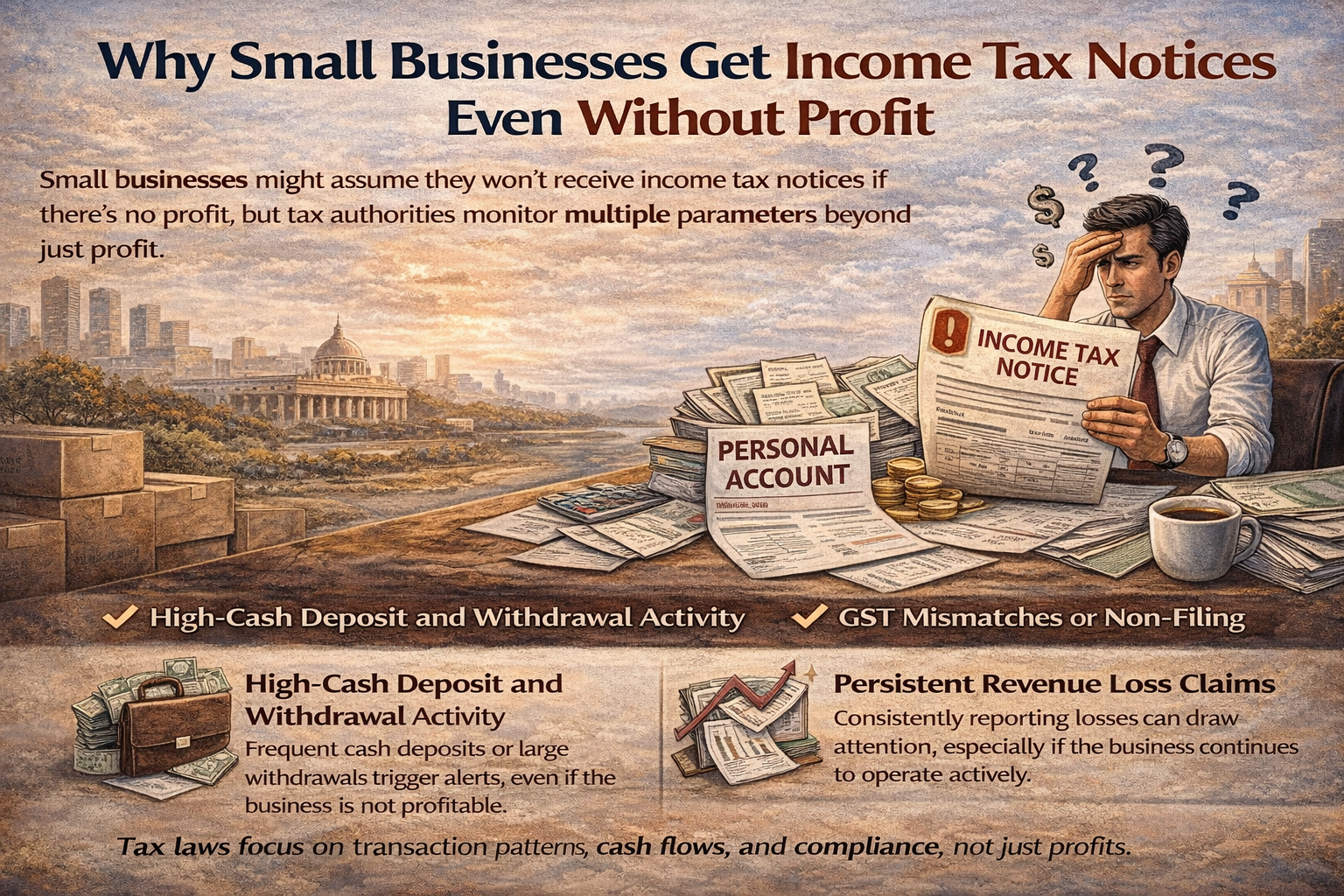
Many small businesses believe that losses protect them from Income Tax scrutiny—but this is a misconception. Notices are usually triggered by data mismatches, reporting gaps, or incorrect disclosures, not by profitability. With proper reconciliation, accurate reporting, and timely responses, most such notices can be resolved smoothly and without escalation.

Mixing personal and business finances may feel convenient at the start, but it often becomes a silent source of financial, compliance, and legal issues. What begins as a small shortcut can later lead to confusion, notices, disputes, and missed opportunities. Keeping finances separate is not just a best practice—it is a foundational habit that supports clarity, compliance, and financial confidence.

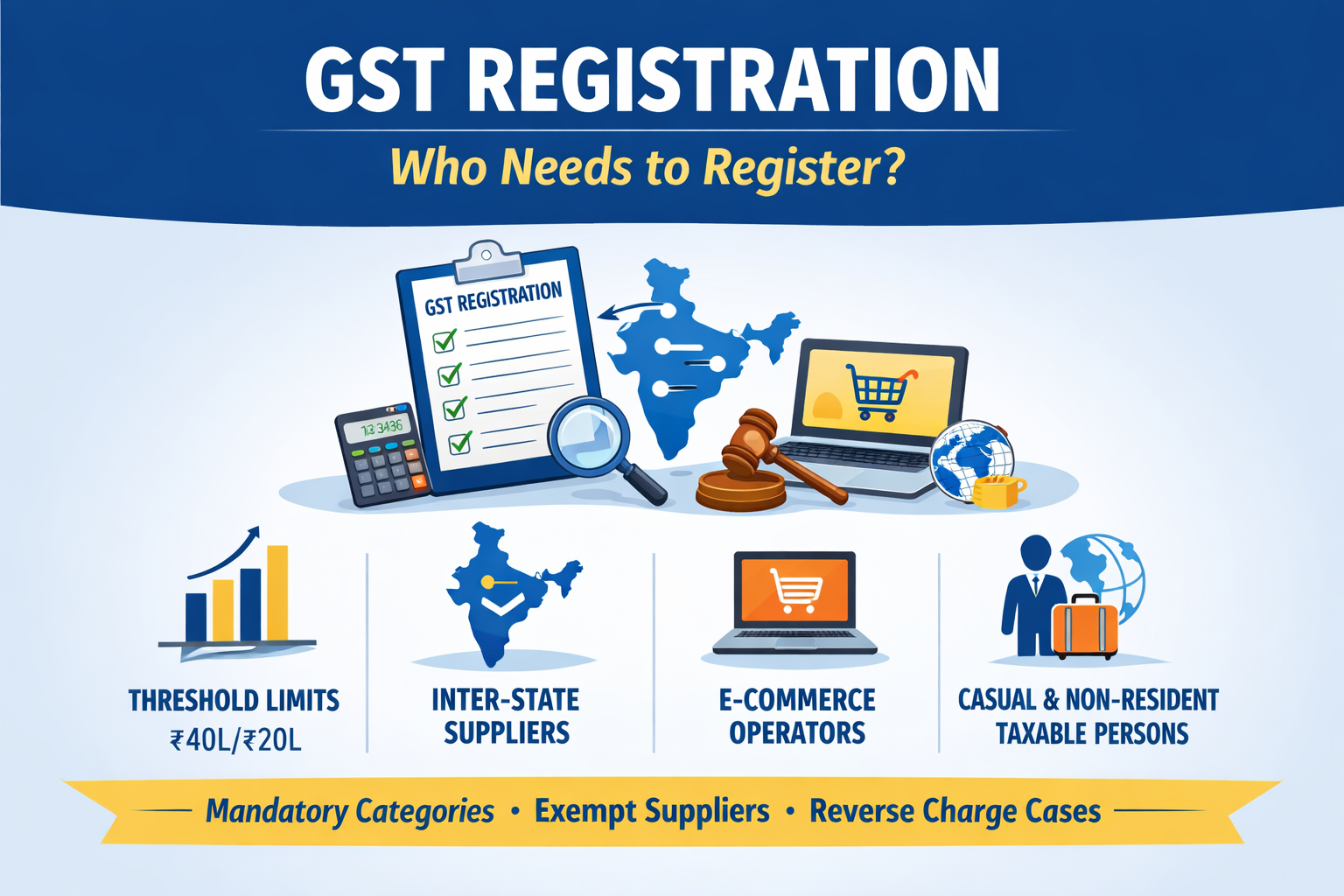
GST registration is not merely about crossing a turnover limit. It is a strategic decision that directly affects compliance burden, profitability, and future litigation exposure. For professionals, accurate GST registration advice is one of the most critical value-adding services—and one of the most litigated if done incorrectly.

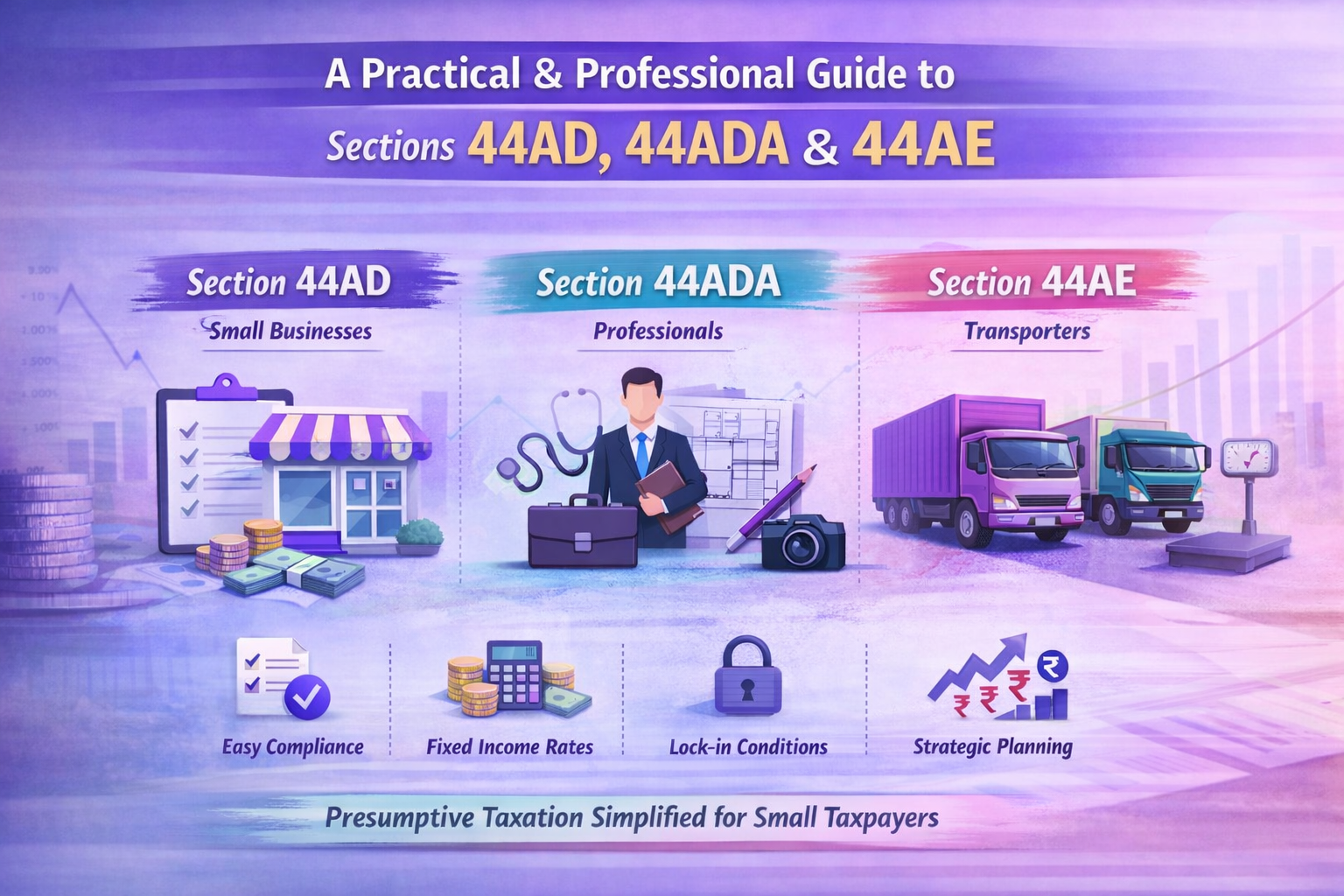
The presumptive taxation regime under sections 44AD, 44ADA, and 44AE offers a practical balance between ease of compliance and tax certainty for small taxpayers. However, these schemes are not one-size-fits-all. For businesses and professionals, a case-specific evaluation is essential to ensure that presumptive taxation results in genuine tax efficiency without future compliance complications. Proper professional guidance remains key to leveraging these provisions effectively and lawfully.

Timely filing protects taxpayer rights, preserves financial benefits, and reinforces credibility. In an era of automated tax administration and data-driven enforcement, discipline in compliance is no longer optional—it is essential. Taxpayers should view ITR filing not as a mere annual ritual, but as a critical component of financial planning and legal responsibility.

Understanding the nature and intent of these notices empowers taxpayers to respond confidently and effectively. Transparency, timely compliance, and proper communication remain the most effective tools when dealing with tax authorities. Rather than viewing notices as threats, taxpayers should see them as part of a structured compliance framework designed to uphold the integrity of the tax system.

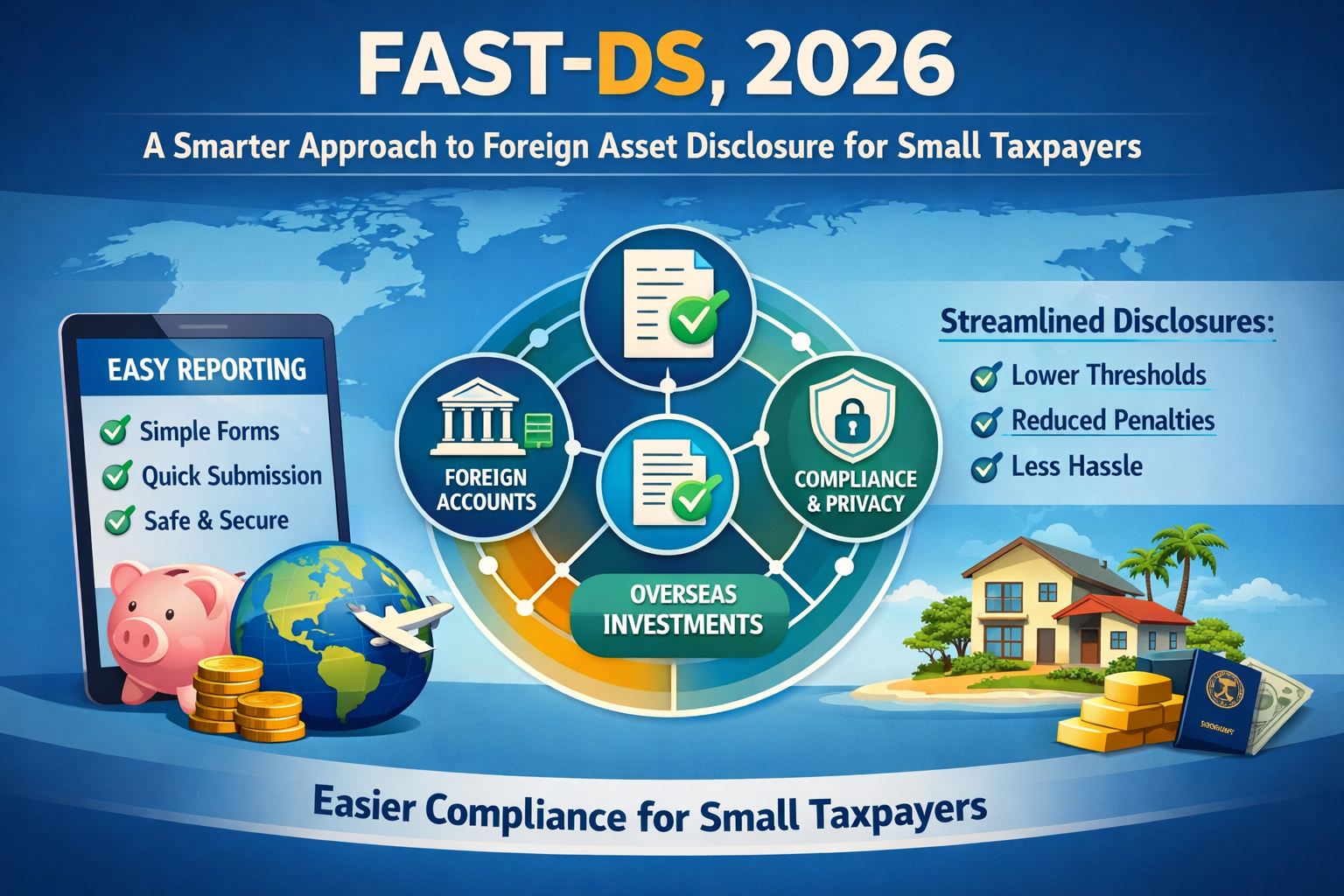
FAST-DS, 2026 introduces a smarter approach to foreign asset disclosure for small taxpayers. Instead of punishing all defaults equally, it classifies mistakes by scale and intent, allowing proportionate compliance costs and civil closure. Minor errors now attract monetary settlement, not prosecution, making reporting simpler, fairer, and risk-calibrated.

Small businesses often assume that losses protect them from Income Tax scrutiny, but this is a misconception. Notices are primarily issued due to data mismatches, reporting errors, or incomplete disclosures, not because of profitability. With proper reconciliation, correct reporting, and timely responses, most such notices can be resolved smoothly without escalation.

Mixing personal and business finances may seem convenient in the early stages, but it often becomes a silent source of financial and compliance problems. What starts as a small shortcut can later result in confusion, notices, disputes, and missed opportunities. Keeping finances separate is not just a best practice—it is a foundational habit that supports growth, compliance, and financial confidence.

Before asking “What should I invest in?”, it is worth asking: “Why am I investing this way?” The answer often determines whether you are truly building wealth—or merely participating in the investment illusion.

The strong performance of gold and silver in 2025 reinforces the importance of diversified asset allocation. Whether through physical holdings, ETFs, or digital platforms, precious metals continue to play a vital role in well-structured financial planning. Chartered Accountants can guide investors in selecting appropriate instruments while considering compliance, taxation, and long-term wealth objectives.

AI is not just a tool—it’s a game-changer for tax compliance. From automating routine tasks to predicting tax liabilities and fighting fraud, AI is enabling Chartered Accountants to offer more efficient, accurate, and strategic services. As tax laws continue to evolve and complexity increases, the role of AI will only become more critical in ensuring compliance and providing value to clients.

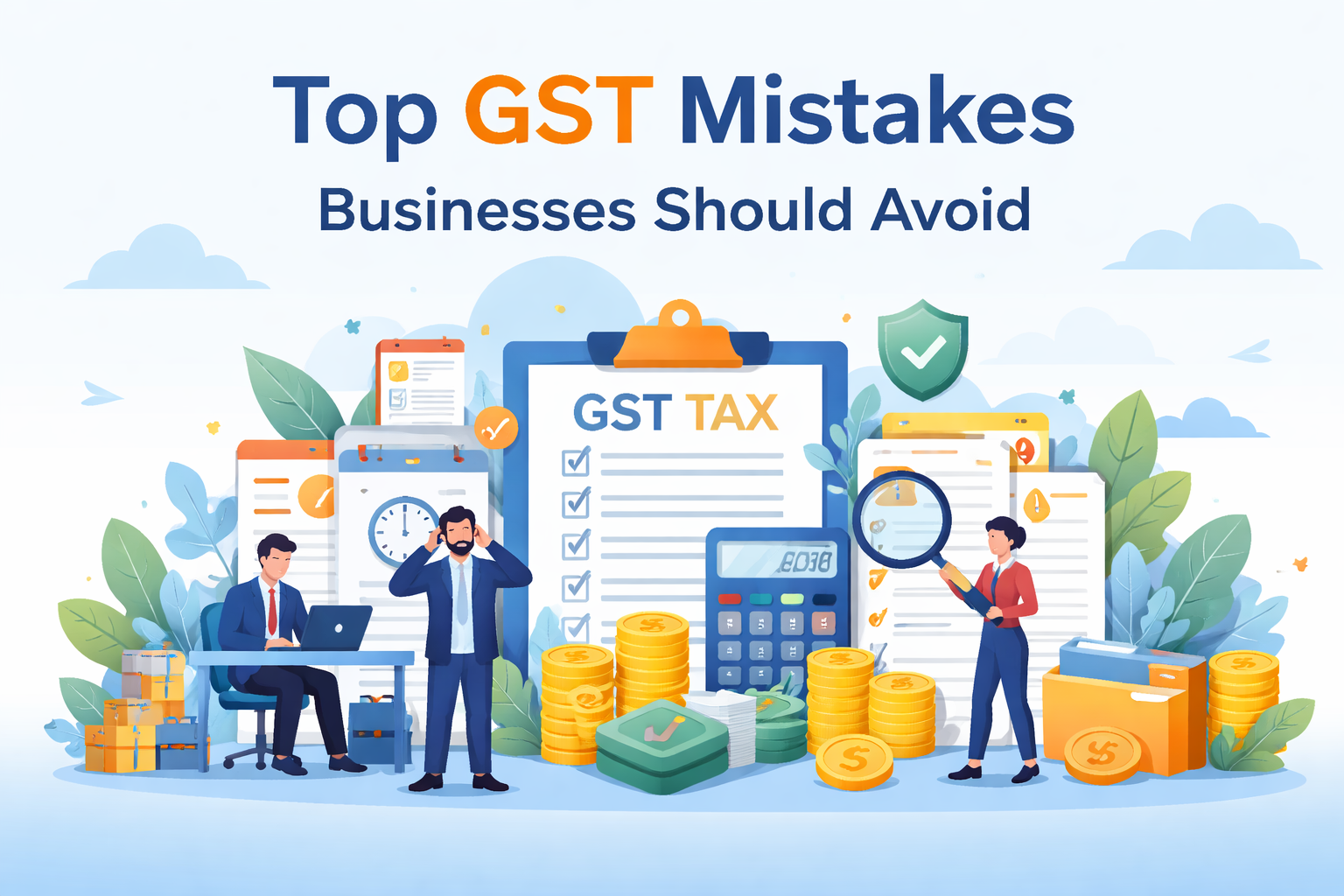
Avoiding these common GST mistakes ensures smooth compliance, prevents ITC loss, and protects your business from GST notices. A proper system, vendor compliance checks, regular reconciliation, and timely filing can save your business from unnecessary financial burden.

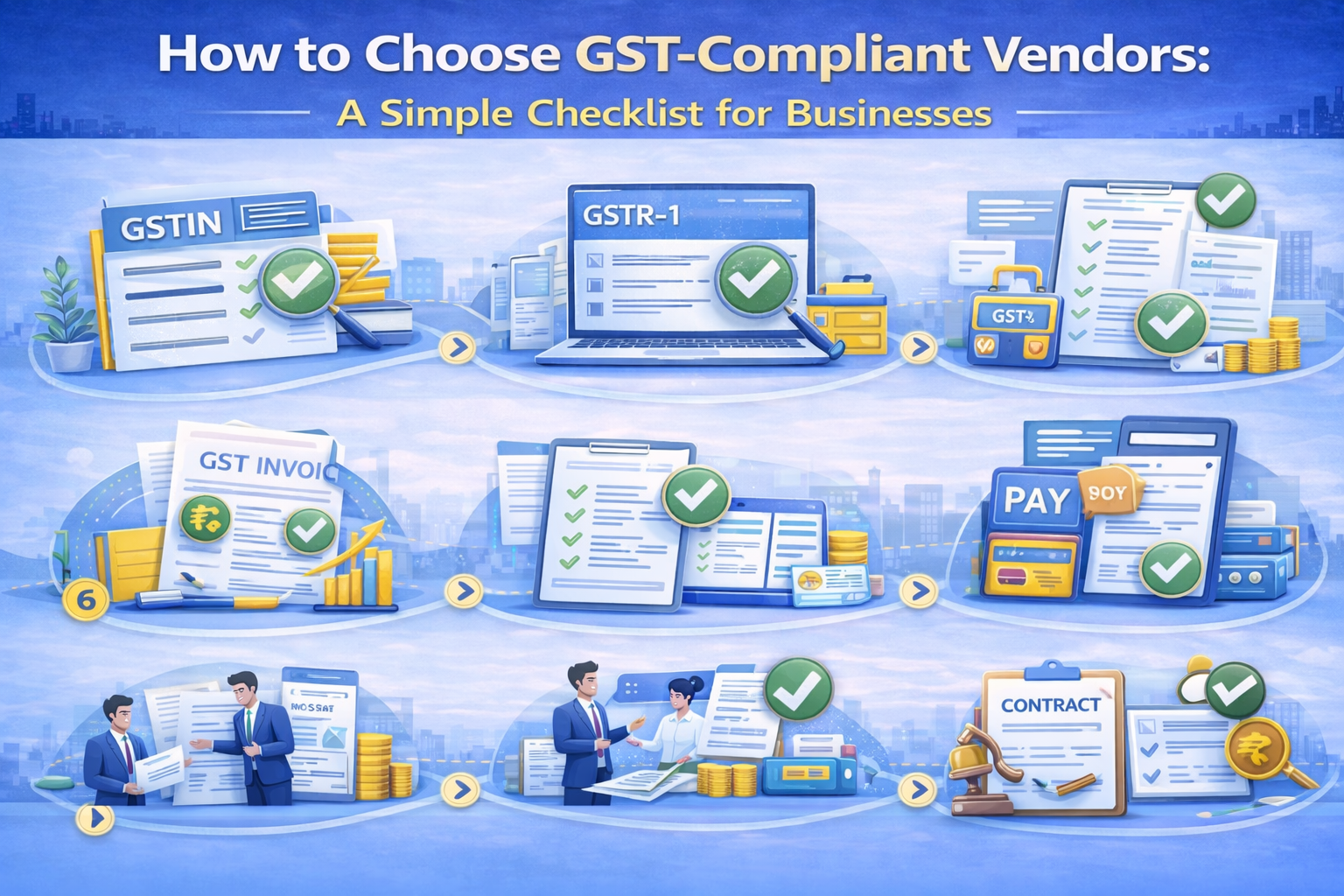
Selecting GST-compliant vendors is essential to avoid ITC blockage, GST notices, and unnecessary tax burdens. By using this simple checklist—valid GSTIN, on-time filing, clean invoices, correct GST rates, and transparent communication—you can ensure smooth GST compliance for your business.

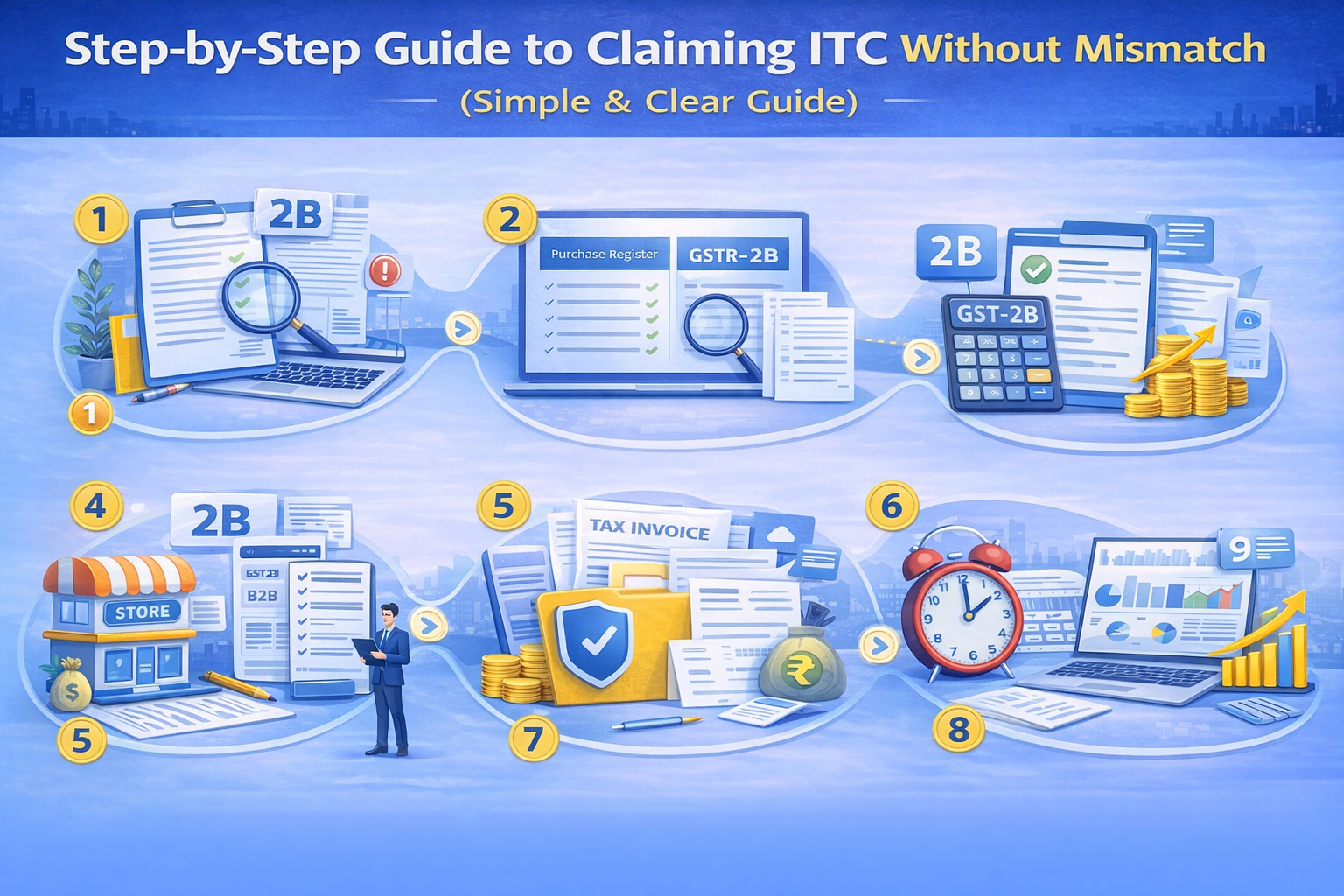
Claiming ITC without mismatch is easy if you follow the correct steps. Regular reconciliation, vendor follow-ups, and strict documentation can save you from notices, penalties, and financial loss.

The world of tax compliance is undergoing a seismic shift, and at the heart of this transformation is Artificial Intelligence (AI). Over the past few years, tax authorities, businesses, and Chartered Accountants (CAs) alike have begun embracing AI-powered technologies to streamline tax processes, improve accuracy, and stay ahead of ever-evolving regulations. But with these advancements comes both opportunity and challenge.

India’s unlisted and startup ecosystem attracts significant NRI investment, but the real complexity often arises at the exit stage. This note highlights the key taxation and repatriation challenges under the Income-tax Act, FEMA, and DTAAs, emphasizing why advance structuring and exit planning are critical to preserving returns.

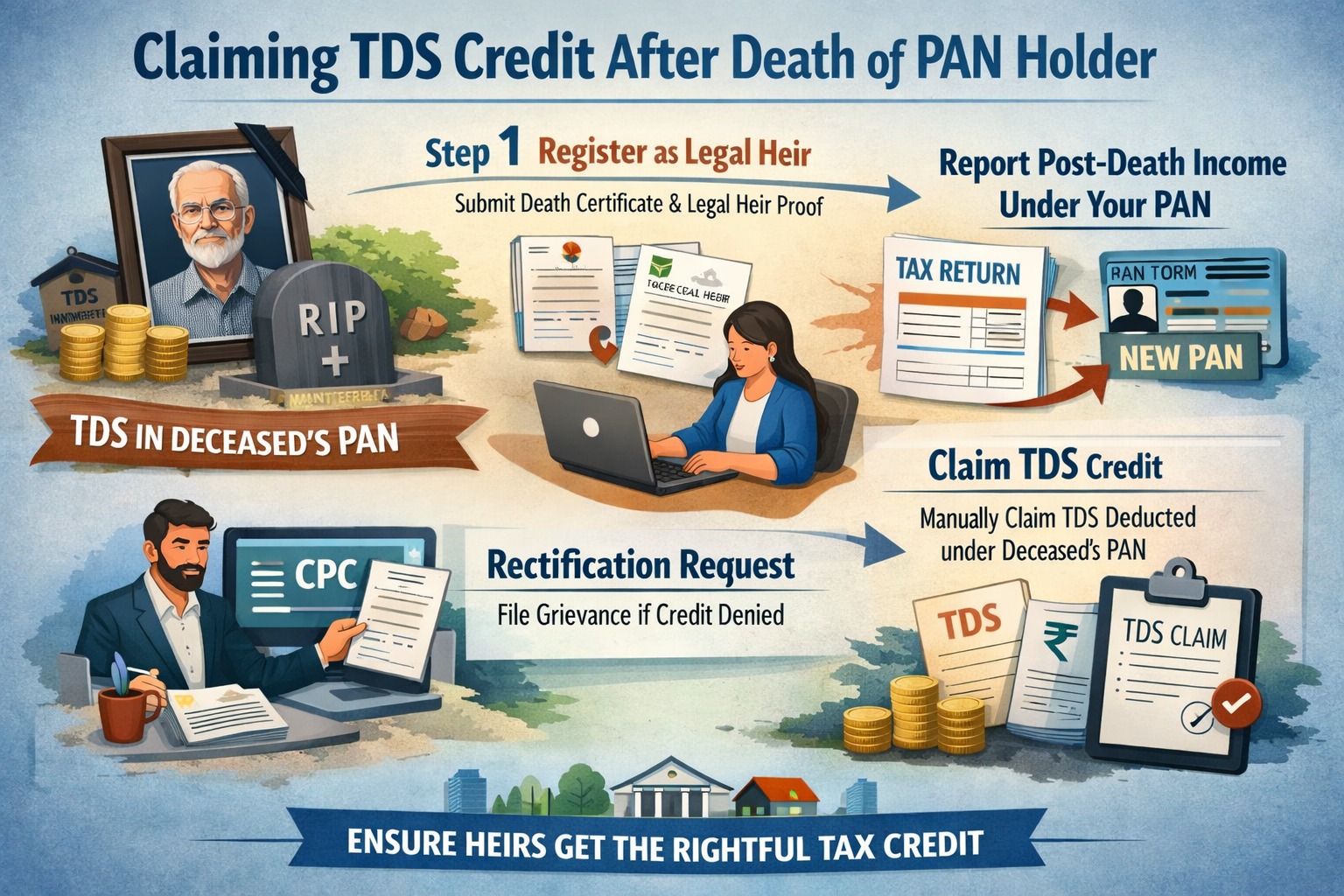
Tax obligations don’t always end with the passing of an individual. In many cases, income such as interest on fixed deposits, dividends, rental income, or returns from other investments continues to accrue even after death

Surrendering a duplicate PAN is a simple process if approached correctly.

For years, the National Pension System (NPS) was seen as disciplined but rigid. While investors appreciated the tax benefits, they often felt constrained by strict exit rules, mandatory annuity requirements, and limited liquidity.

The Investment Illusion: Why Smart People Still Make Irrational Decisions

Don’t Pay What You Don’t Owe

Learn how to avoid Income Tax Notices in 2025 with simple tips. Understand common mistakes, high-risk triggers, and best practices for clean tax compliance.